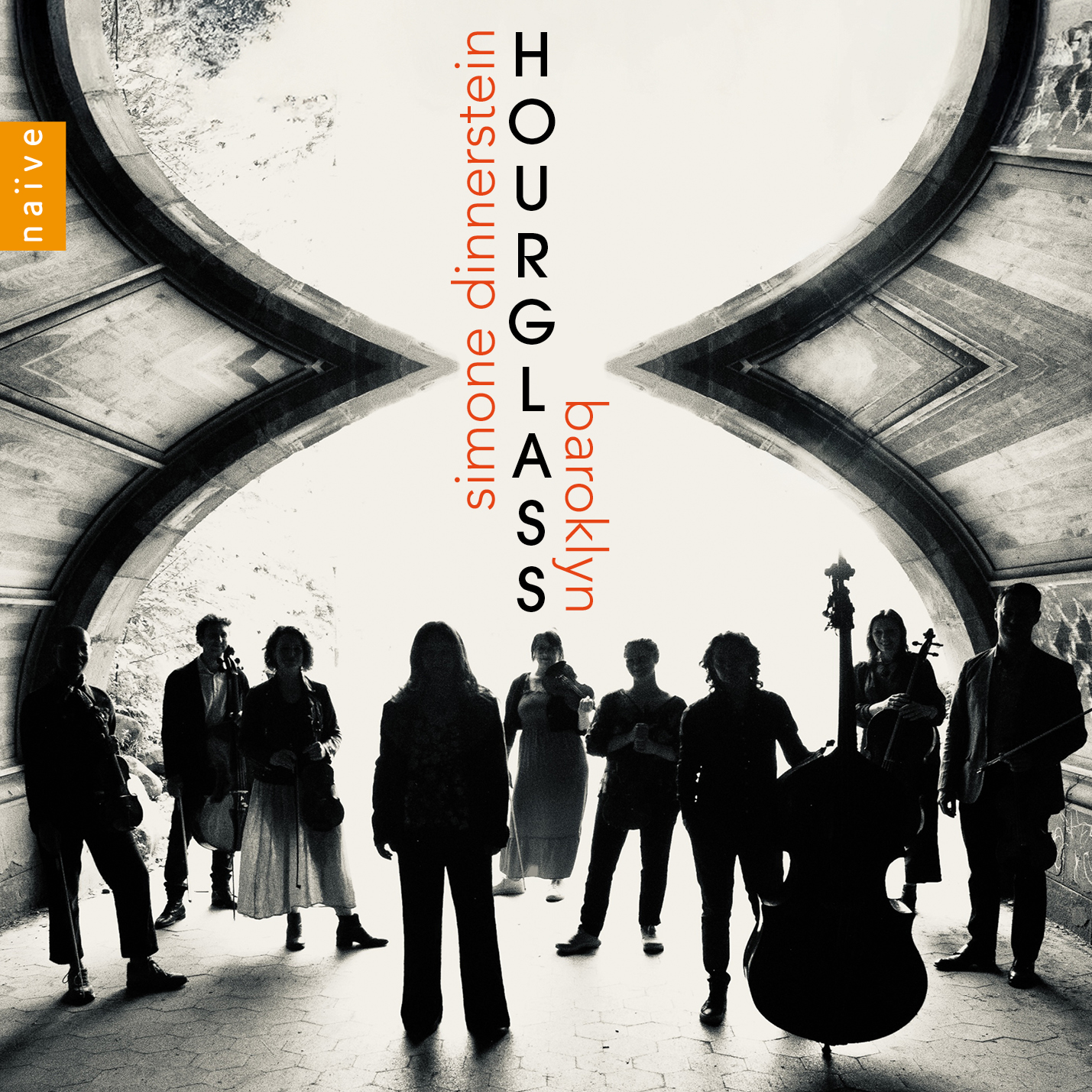
When I think about the music of Philip Glass, I think about time. The music is intricate and polyphonic. It’s layered, with patterns that keep shifting in the subtlest of ways. Though the harmonies are clearly important in the musical narrative, Glass’s music is multi-linear in a way that evokes the music of Bach. It is music on the horizontal, as opposed to the vertical. If anything, it is circular music.
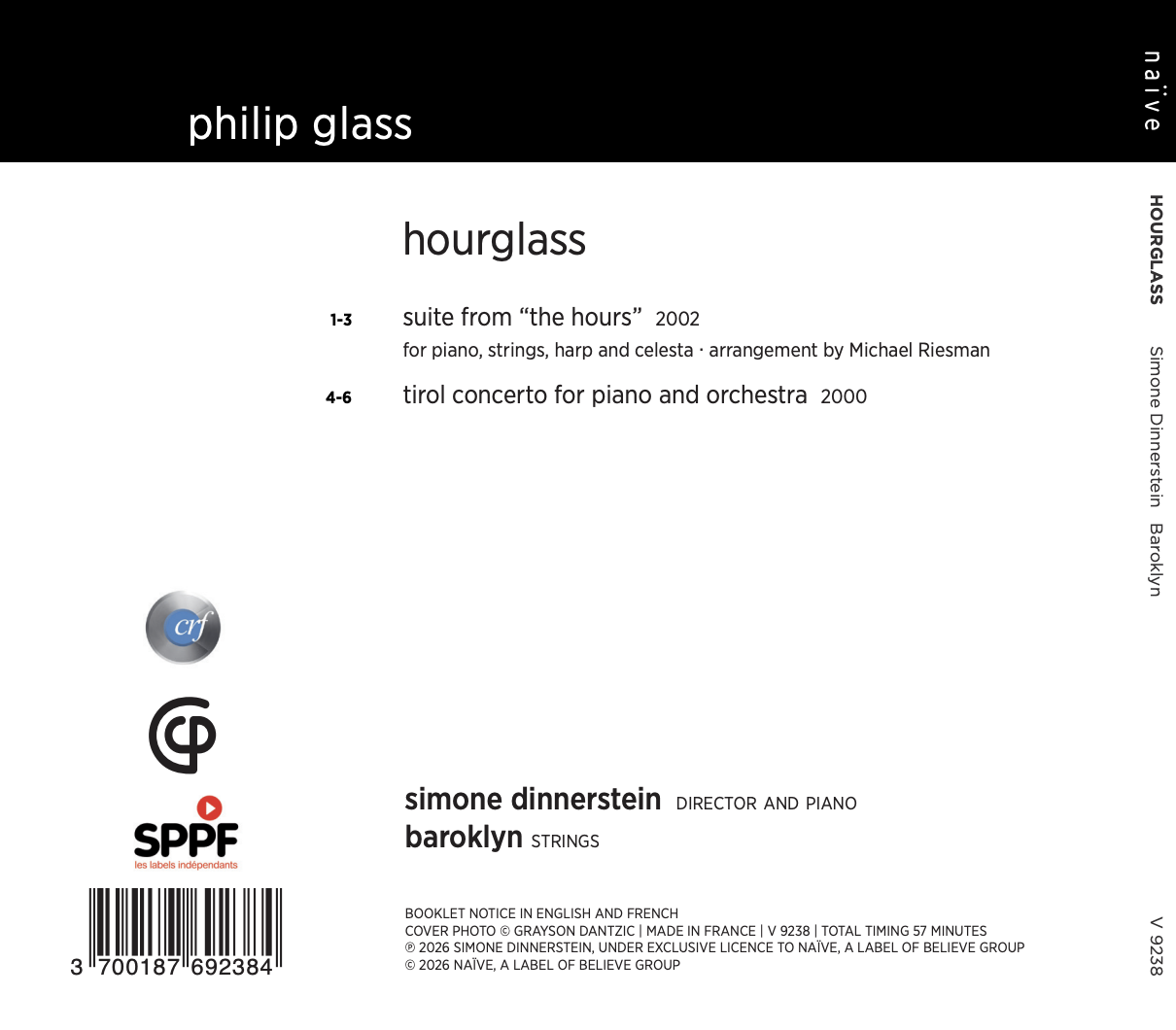
I notice this in all of his music, and it’s true of the two works on this album, both for piano and string orchestra. They feature multiple independent voices. The piano has two voices (one in each hand), and there are five independent voices in the strings. Unlike music from the baroque and classical periods, the bass does not double the cello but has its own separate line. In The Hours, there is also the addition of the celesta and the harp.
Each voice not only has its own melodic patterns, but often its own unique rhythm. There are times when each bar is being felt in a completely different inner pulse by each voice. The right hand of the piano may be feeling the large beats as groups of two bars, while the left hand is feeling each bar in three, and at the same time the violins feel each bar in two. Imagining this music raises, moment by moment, the question of how the members of the ensemble will connect with each other and maintain the integrity of their individual voices. The two are inevitably in tension.
In Baroklyn’s reading of these Glass works, we focused on the larger beats. Instead of lining up each single step, we wanted every voice to have its own ebb and flow, coinciding with other voices in certain larger pulse divisions. This allows us to hear the particular phrasing of the voices more independently, and brings out the strangeness in the music. The goal was to create a whole, but a whole made up of all the distinctive particularities of the individual lines and musicians.